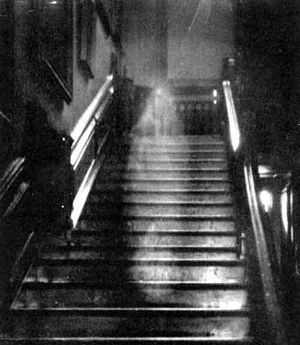
This correlates to Beloved because there is the idealized version of the deceased, yet their ghost interpretation provides a much more callous representation. Also, they feel a great sense of betrayal which is apparent through the way they treat those that they are haunting. It's provides a look into the attitudes of the deceased towards their death. The anger they hold. It is also important to note that Abigail and her baby both died, similar to Beloved's infant death. I think this forces the ghost to develop a certain resentment because life was stolen from them right as it was about to begin.
This seems to be the greatest similarity, aside from the effect it has on the haunted. They are fearful and confused, as is to be expected. Yet a very strong correlation remains the way it effects their relationship to other people in the story. Both ghosts have a goal of isolation. In Beloved, the isolation stems from dependency and the need of. She absolutely depends on their dependency on her, and she convolutedly twists her "prey" into thinking they need her. However, Abigail isolates Dr. Quinn out of spite and jealousy. She doesn't want to lose her husband. This does draw a parallel. Abigail does not have the dependency complex, but both her and Beloved have a possession issue. Abigail wishes to maintain her possession of her husband while Beloved wishes to gain possession of Sethe and Denver. Once again, as the blogger had stated... the way the ghost is able to effect those it haunts directly relates to what the ghost represents. This is the only way they are able to establish their existence. They need either to remain in the memory of their loved ones or to dominate their present lives to be the ever constant reminder of what they were. Without this acknowledgment they cease to exist and they cannot haunt.
In the end, the power is given to the ghost through those that are being haunted. This is a steady theme throughout these hauntingly; they are parasitic and if their host takes a stand they can kill the parasite and regain themselves back.

No comments:
Post a Comment